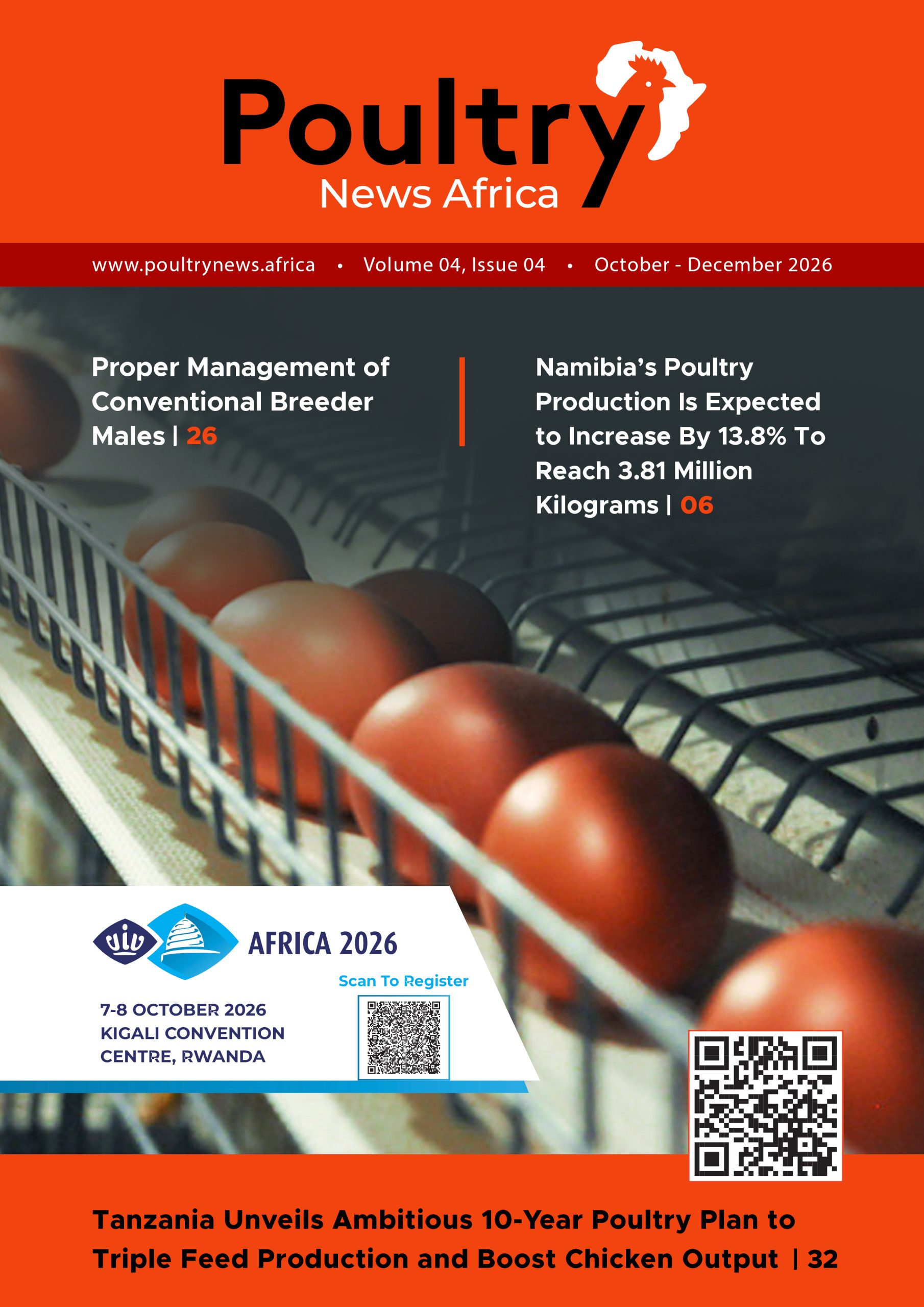



Nearly a year after President John Dramani Mahama directed schools to help absorb Ghana’s surplus egg production, poultry farmers are still waiting for substantial orders through the School Feeding Programme, leaving producers grappling with unsold eggs, weak prices and mounting pressure to pay for feed and other operating expenses.

The delay has renewed concerns about how quickly government commitments can be translated into practical support for local poultry businesses. Although authorities have repeatedly indicated that schools should purchase locally produced eggs, farmers say the quantities bought so far remain too small to make a significant difference to the surplus.
George Dassah, National President of the Ghana National Association of Poultry Farmers, told The High Street Journal that a committee established following discussions with the Education Minister had completed its report. Producers are now waiting for the recommendations to be implemented through actual school purchases.

“We are praying that they will try to facilitate the process so that the schools can start lifting the eggs,” Dassah said.
Government commitments yet to deliver large-scale purchases
The proposal to use school feeding to absorb excess eggs has been discussed at government level on several occasions.
In November 2025, Food and Agriculture Minister Eric Opoku announced that President Mahama had instructed the Ministry of Education to help clear the surplus through the School Feeding Programme.
The government subsequently included a local procurement directive in the 2026 Budget, requiring schools from basic to secondary level to purchase Ghanaian-produced rice, maize,
chicken and eggs.
The issue resurfaced in May 2026 when Kwesi Etu-Bonde, Chief Technical Advisor to the Minister of Food and Agriculture, said the President had directed the programme to purchase eggs from the market. He also indicated that the government was considering processing excess eggs into powder under a proposed poultry master plan.
Despite these commitments, farmers say the volume of eggs purchased has not been sufficient to resolve the market imbalance.
In July, Dassah called for an “egg a day” policy for beneficiaries of the School Feeding Programme. He said the committee had agreed that the Council of Heads of Assisted Secondary Schools would oversee implementation.
Dassah has also proposed that every secondary school student should receive three eggs a week, arguing that such a measure would create a substantial and predictable market for locally produced eggs.
Burkina Faso restrictions expose risks for egg producers
The search for reliable domestic buyers has become more urgent following disruptions to Ghana’s egg exports to neighbouring Burkina Faso, one of its important cross-border markets.
Burkina Faso imposed restrictions on egg imports from Ghana, particularly consignments originating from Dormaa in the Bono Region, citing quality concerns involving eggs from some exporting countries.
According to Dassah, some consignments were destroyed at the border. The resulting losses left affected farmers without expected sales revenue while they continued to face the costs of feed, labour and other farm operations.
The restrictions were lifted after Trade, Agribusiness and Industry Minister Elizabeth Ofosu-Adjare and Agriculture Minister Eric Opoku held discussions in Burkina Faso on July 17, 2026.
The two countries agreed to establish a joint technical committee and work towards a bilateral trade agreement aimed at strengthening trade relations.
Ghana’s exports to Burkina Faso increased from US$573 million in 2024 to US$637 million in 2025, according to figures cited by the trade ministry. However, the wider growth in exports has not eliminated the difficulties faced by poultry farmers seeking outlets for their eggs.
The episode has highlighted the vulnerability of producers who depend heavily on cross-border sales when restrictions or other disruptions limit access to export markets.
Rising production adds to pressure on the market
Dassah attributed part of the egg surplus to increased domestic production, supported by more stable maize prices that have eased some pressure on poultry feed costs.
Lower feed-cost pressure can help farmers maintain or increase production, but expanding output without sufficient growth in consumption and market access can leave producers competing to sell excess supplies.
The situation illustrates the importance of matching production with effective demand, reliable distribution channels and market development.
Dassah estimated that Ghanaians consume between 20 and 30 eggs per person annually. He called for public education campaigns to encourage greater egg consumption and help expand the domestic market.
Increased consumption could provide farmers with additional sales opportunities while improving access to eggs as a source of protein and other nutrients.
Government considers further measures
Food and Agriculture Minister Eric Opoku said on October 9, 2026, that the government was examining additional measures to increase domestic demand for eggs, acknowledging that resumed exports to Burkina Faso were not enough to absorb the country’s surplus.
The proposed school procurement programme remains one of the measures farmers hope will create a dependable outlet for their produce. Regular institutional purchases could provide a more predictable market, helping producers plan their operations and manage cash flow.
Processing eggs into powder has also been raised as a possible way to preserve surplus production and widen its potential uses, although the government’s consideration of the option does not itself establish that a processing programme is operational.
For Ghana’s poultry farmers, the immediate priority is turning announced measures into consistent purchases and practical market opportunities. Effective school procurement, stronger domestic egg consumption, improved processing capacity and more dependable export arrangements could help reduce the surplus. Until these measures translate into sufficient demand, producers will remain exposed to falling prices, lost sales and the continuing challenge of financing their farms.