


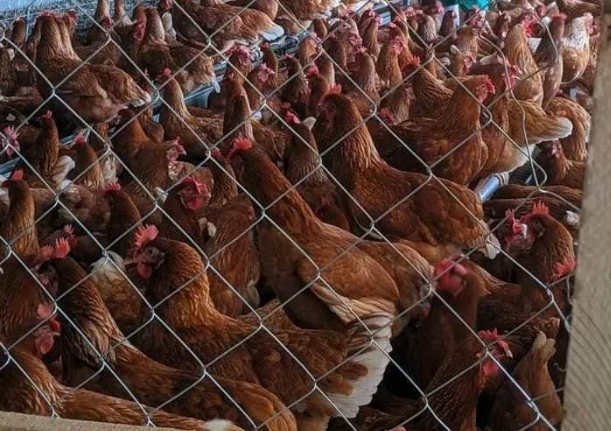
The African Development Bank (AfDB) has approved a significant €102.12 million investment to transform the agricultural sector in Benin. This funding marks the start of an ambitious initiative to modernize and expand the value chains of poultry, maize, and soybeans. The ultimate objectives of this investment are to bolster food security, boost local production, and create sustainable economic opportunities for thousands of farmers across the country.
The funding represents the first phase of the country’s larger Agricultural Transformation Programme targeting the Benin Northern Savannah region. This zone has long been known for its untapped farming potential, and the AfDB seeks to turn it into a highly productive agricultural hub. By focusing on poultry alongside maize and soybean production, the initiative aims to strengthen the entire chain—from feed production to domestic meat supply.
One of the central goals of this investment is to reduce the country’s dependence on imported poultry products. Benin, like many African nations, consumes more poultry than it currently produces. The new programme seeks to change this by improving production efficiency, especially through the expansion of maize and soybean farming, which form the foundation of poultry feed. By strengthening feed supply, the country can support a much larger and more competitive poultry industry.
The AfDB also drew inspiration from successful agricultural models such as Brazil’s Cerrado region, which transformed from a low-productivity farming area into one of the world’s leading grain-producing zones. By adopting modern technologies, climate-smart farming methods and improved seed varieties, Benin is expected to follow a similar path of agricultural modernization and increased output.
From 2026 to 2030, the programme aims to cultivate 120,000 hectares of maize and an additional 80,000 hectares of soybeans. This ambitious expansion is projected to supply enough raw materials to produce over 41,000 tonnes of poultry meat annually. Smallholder farmers will receive broiler starter kits, improved seeds, fertilizers, and pest-management tools. These kits will help them increase production quality while promoting modern poultry farming techniques.
To reduce post-harvest losses—a challenge that affects many African farmers—the project includes the construction of large modern storage facilities, drying platforms, and barns designed to preserve maize and soybean quality. These facilities will stabilize supply throughout the year, ensure steady feed production, and protect farmers from unpredictable weather patterns that often lead to spoilage.
Another critical component of the programme is the creation of a multi-stakeholder innovation platform. This platform will bring together researchers, seed developers, policymakers, farmers and private sector actors. Its purpose is to drive agricultural innovation, test new seed varieties, support climate-resilient farming techniques and ensure that farmers have access to the right knowledge and technologies to improve yields sustainably.
The social and economic impact of this investment is expected to be widespread. Approximately 50,000 people will benefit directly through farming inputs, training, and improved market access. An additional 500,000 beneficiaries will be reached indirectly through increased food availability, affordable local poultry, and expanded employment opportunities across the value chain. Women, who play a major role in agriculture in Benin, are expected to make up at least 30% of all beneficiaries—reflecting the project’s commitment to gender inclusion and equitable development.
Overall, the AfDB’s €102 million investment represents a major step forward for Benin’s agricultural sector. By upgrading crop production, improving poultry farming, strengthening infrastructure, and promoting research-driven agriculture, the programme is expected to boost national food security, enhance rural livelihoods, and position Benin as a competitive player in West Africa’s food system. It lays the foundation for long-term growth, reduced import dependence, and a more resilient agricultural economy.
