


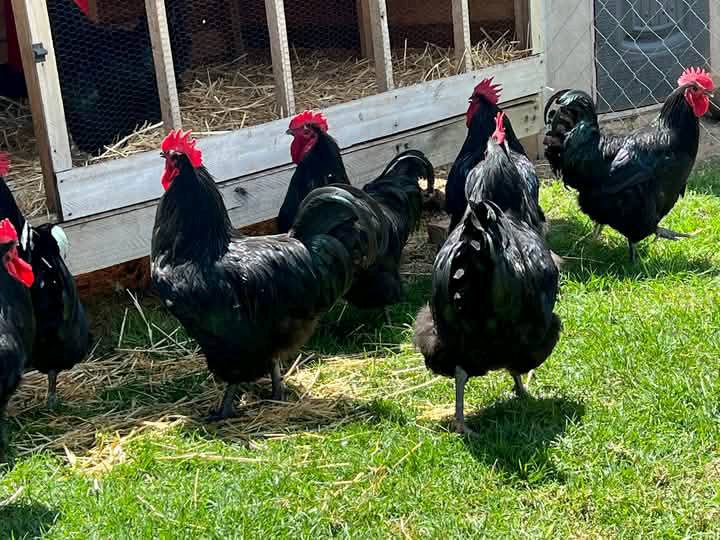
Across the evolving global poultry landscape, black chicken farming is emerging as a distinctive and highly valued segment that challenges traditional perceptions of chicken meat. Unlike conventional white or brown poultry, black chickens are known for their striking appearance, with dark feathers, skin, meat, and even bones. What was once considered a cultural rarity has now grown into a specialized farming enterprise, driven by increasing consumer interest in healthier protein sources and exotic food experiences. Today, black chicken meat is steadily gaining recognition as a premium superfood, praised for its nutritional density, low fat content, and growing role in high-end culinary markets.
The uniqueness of black chickens stems from a rare genetic trait that causes an excess production of melanin throughout the bird’s body. This genetic feature gives rise to the deep black coloration that sets these birds apart from standard poultry breeds. Popular varieties include indigenous strains that have been traditionally raised in parts of Asia for centuries. While once limited to small household flocks, modern farming systems have refined their breeding and rearing, enabling consistent production while preserving the traits that make these birds exceptional.
Raising black chickens requires a more deliberate and attentive farming approach than conventional broiler production. These birds are often grown at slower rates, allowing muscle development to occur naturally and enhancing meat texture. Farmers emphasize controlled housing conditions, balanced nutrition, and reduced stocking density to maintain bird health and meat quality. Biosecurity measures and disease prevention are particularly important, as the birds are often destined for premium markets where quality standards are strict, and traceability is essential.
One of the strongest drivers behind the growing demand for black chicken meat is its impressive nutritional profile. Compared to conventional poultry, black chicken meat is widely regarded as being richer in protein while containing less fat. This combination makes it appealing to health-conscious consumers, athletes, and individuals seeking lean protein sources without sacrificing flavor. Additionally, the dark meat is often associated with higher levels of natural antioxidants and essential amino acids, reinforcing its reputation as a functional food rather than just a protein option.
Beyond nutrition, black chicken holds deep cultural significance in many regions. For generations, it has been featured in traditional diets and wellness practices, often prepared in slow-cooked soups believed to support immunity, vitality, and recovery from illness. These long-standing beliefs, combined with modern nutritional awareness, have helped bridge traditional knowledge with contemporary health trends. As consumers increasingly seek foods with heritage value and natural benefits, black chicken fits seamlessly into this demand.
The culinary world has also played a major role in elevating black chicken to global prominence. Chefs in fine dining and specialty restaurants value the meat for its firm texture, rich flavor, and visual impact. Its dramatic color allows for creative presentations that stand out on menus and plates, while its depth of taste lends itself well to both traditional recipes and modern gourmet interpretations. This fusion of aesthetics and nutrition has positioned black chicken as a standout ingredient in premium gastronomy.
Economically, black chicken farming represents a promising opportunity for farmers willing to invest in niche production. Although production costs are higher due to slower growth rates and specialized care, the market price often compensates for these expenses. Black chicken meat is typically sold at a premium, reflecting its rarity, health benefits, and growing prestige. For small and medium-scale farmers, it offers a pathway to diversification and value addition, especially in regions seeking alternatives to mass poultry production.
As global food systems continue to shift toward sustainability, nutrition, and product differentiation, black chicken farming stands out as a model that combines tradition with innovation. It reflects a broader movement toward mindful consumption—where quality, origin, and health benefits matter as much as quantity. With rising awareness and expanding markets, black chicken is no longer just an exotic curiosity; it is becoming a symbol of how poultry farming can evolve to meet the demands of a changing world.
