


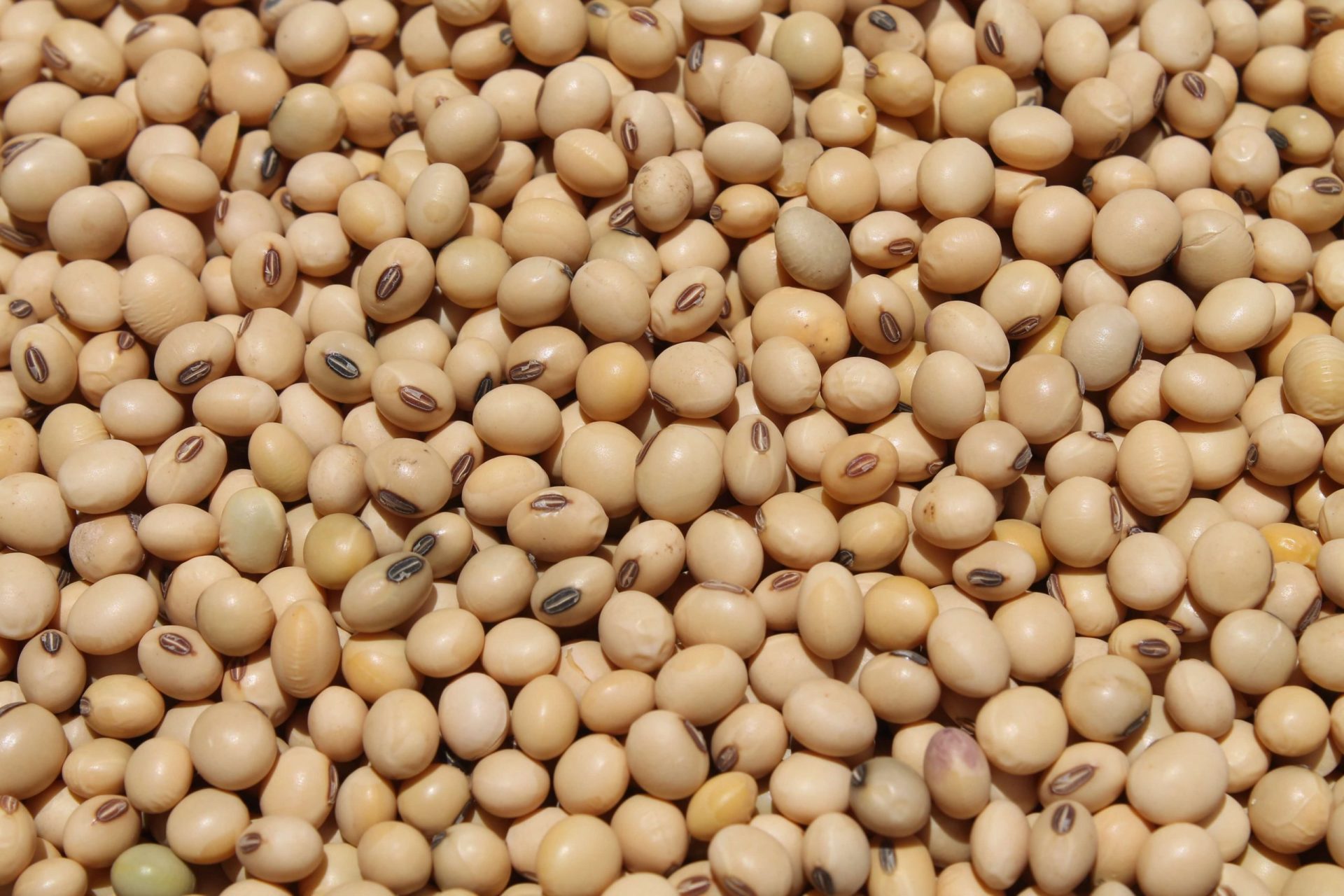
Soybeans have become a strategic backbone of global poultry production, directly shaping how nations secure affordable animal protein for growing populations. As demand for poultry meat and eggs rises, especially in emerging economies, soy continues to dominate feed formulations because of its high-quality protein, reliable amino acid profile, and adaptability across different production systems. For many countries, soy is no longer just a feed ingredient but a critical pillar of food security and trade policy.
In China, the world’s largest consumer of animal protein, soy plays a central role in sustaining the massive poultry and livestock industries. Domestic oilseed production remains insufficient to meet national feed requirements, making imported soybeans essential. Despite demographic shifts, poultry consumption continues to expand due to its affordability and versatility, ensuring steady demand for soybean meal to maintain productivity and stabilize meat prices.
Across Egypt, soy is vital to supporting one of Africa’s most developed poultry sectors. With limited arable land and water constraints, Egypt relies heavily on imported soybeans and soybean meal to feed its broiler and layer operations. The poultry industry is a key source of affordable protein for millions of households, and consistent access to soy has become essential for maintaining production levels and protecting consumers from price volatility.
In Kenya, soy’s importance is steadily growing as the country works to modernize its poultry sector. Smallholder and commercial producers increasingly depend on soybean meal to improve feed quality and boost bird performance. While local soy production remains limited, imports help bridge the gap between supply and demand. Expanding soy utilization supports Kenya’s efforts to increase domestic poultry output, reduce reliance on imports, and improve nutrition outcomes.
Nigeria, Africa’s most populous nation, represents one of the fastest-growing poultry markets. Rapid urbanization and a youthful population are driving higher consumption of poultry meat and eggs. Soybean meal is critical for meeting feed demand, yet domestic production struggles to keep pace. Imports and regional trade play a key role in supporting Nigeria’s poultry value chain, helping farmers achieve better feed efficiency and higher output.
In Pakistan and Bangladesh, soy is increasingly central to food security strategies. Both countries face land limitations and rising population pressure, making poultry an attractive source of animal protein. Soy imports support expanding feed mills and commercial poultry operations, allowing producers to scale efficiently. Improved access to soybean meal has helped stabilize feed costs and enhance productivity in these densely populated markets.
Beyond individual nations, soy’s dual role as a source of both protein and oil strengthens its position in global trade. Exporting countries continue to invest in sustainable farming practices and supply chain reliability, ensuring consistent availability for importing markets. This stability is especially important for poultry producers, who depend on predictable feed inputs to manage costs and maintain profitability.
Looking ahead, soy is set to remain a cornerstone of poultry development in China, Egypt, Kenya, Nigeria, Pakistan, and Bangladesh. As these nations seek to balance population growth, nutrition needs, and economic resilience, soybeans will continue to underpin efficient poultry production and support long-term food security across diverse regions.
