


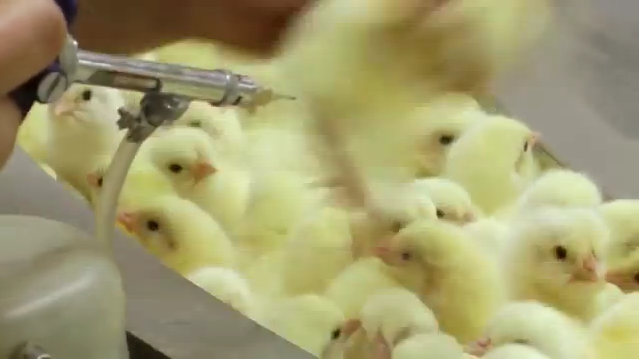
South Africa’s poultry sector is pressing hard for a robust vaccination programme against avian influenza, calling it an essential shield for a national industry that supplies the majority of the country’s protein. The memory of the previous outbreak still stings. Farms were forced to cull millions of birds within a short period, wiping out close to a third of the nation’s stock. The aftershocks were felt in every household: higher retail prices, shortages of eggs in supermarkets, and stress across communities whose livelihoods depend heavily on poultry farming.
Industry advocates insist that the days of relying purely on reactive measures must end. A new strategy rooted in prevention rather than damage control is needed. Vaccination, they say, stands at the centre of that transformation. The global poultry community has already taken this leap. Countries in Latin America and Europe have implemented mass vaccination programmes, successfully reducing transmission rates and preventing drastic financial losses. Experts argue that South Africa has access to the same scientific capabilities, making the delay more of a policy issue than a technological one.
Veterinarians and animal-health professionals have outlined a straightforward framework to guide safe vaccination. First, the vaccines used must be certified and closely monitored to avoid misuse or interference with ongoing disease surveillance. Second, farms must boost their biosecurity practices, ensuring that cleanliness, controlled movement, and strict monitoring remain in play even after immunisation begins. Third, meticulous traceability of vaccinated birds is necessary not only for disease control but also to provide confidence to trade partners. Finally, continuous surveillance must track evolving virus strains and alert authorities at the earliest signs of renewed risk.
While the poultry industry is fully prepared to move forward, some regulatory obstacles have slowed the rollout. Producers argue that compliance requirements remain costly and impractical for many farmers, especially those operating in high-density poultry regions where immediate protection is vital. The government has responded cautiously, aiming to balance rapid implementation with the need for transparent safety standards that satisfy both local and international expectations.
The urgency remains clear. Newly detected cases on farms remind stakeholders that the virus is still active and capable of re-emerging with devastating speed. The sector employs thousands of workers, powers rural economies, and serves as a major contributor to national food security. Any further disruption risks pushing struggling businesses to closure and forcing consumers to absorb further price increases.
For farmers, veterinarians and poultry companies, the hope is that the government accelerates decision-making before the next outbreak gathers momentum. A nationwide vaccination programme would represent more than a biosecurity win. It would serve as a symbol of resilience for a sector that refuses to be defined by crisis and instead chooses a future built on preparedness, scientific innovation and strategic partnership.
South Africa now stands at a decisive crossroads. The poultry industry has made its case. The tools exist. The threat is persistent. The next move belongs to the policymakers who must decide whether to wait for another emergency or act now to keep the nation’s flocks — and food supply — protected.
