


In a rapidly changing poultry industry, understanding the real needs of farmers as they emerge is essential for building resilient and productive systems. One of the most powerful tools supporting this goal is the Pulse Survey, which has proven to be a game-changer in how programs are designed, adjusted, and delivered. Its greatest strength lies in speed and relevance: it captures farmers’ experiences in real time, allowing stakeholders to respond quickly and effectively to pressing challenges before they escalate.
Unlike traditional assessments that take months to analyze, the Pulse Survey provides immediate feedback from poultry farmers on the ground. These early insights have already begun shaping meaningful improvements across the sector. By listening directly to farmers, program designers are no longer guessing priorities; they are acting on evidence. This approach ensures that interventions are practical, timely, and closely aligned with the realities of daily poultry production.
One of the key areas highlighted by the survey is disease management. Poultry farmers consistently point to disease outbreaks as a major threat to productivity and income. Early survey results are guiding the strengthening of disease surveillance, farmer training, and access to veterinary support. With quicker responses and better-informed prevention strategies, farmers are better equipped to protect their flocks and reduce losses that can wipe out months of hard work.
Feed affordability has also emerged as a critical concern. Rising feed costs significantly affect profit margins, especially for small and medium-scale producers. Insights from the Pulse Survey are helping programs explore cost-effective feed solutions, promote alternative feed formulations, and support collective purchasing models. By addressing feed challenges head-on, the sector can improve sustainability and ensure farmers remain profitable even during periods of price volatility.
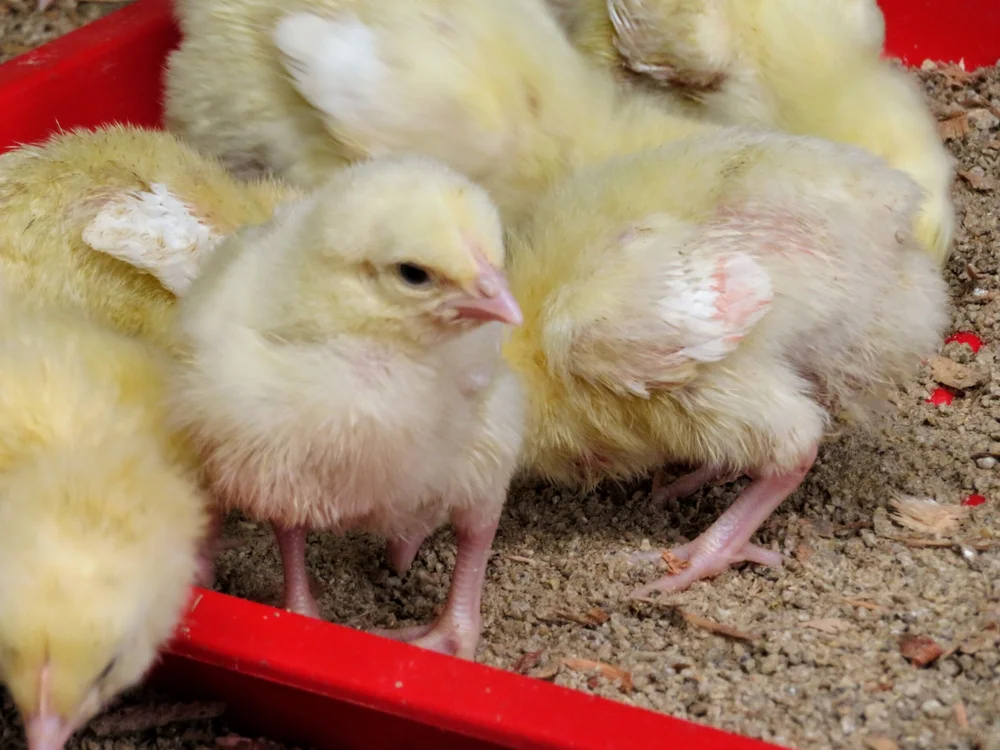
Another important issue identified is the availability of reliable chick supply. Consistent access to healthy, high-quality chicks is fundamental to successful poultry farming. Survey feedback is informing efforts to strengthen hatchery networks, improve distribution systems, and ensure farmers receive chicks on time and in good condition. This reduces delays, improves planning, and boosts overall farm performance.
Seasonal challenges have also been brought into sharper focus. Weather changes, market fluctuations, and seasonal disease patterns all influence poultry production. The Pulse Survey enables timely seasonal support, helping farmers prepare for peak demand periods or adverse conditions. Tailored guidance and resources can now be deployed when they are needed most, rather than after problems arise.
Overall, the Pulse Survey is transforming how the poultry system responds to farmer needs. By providing real-time insights, it allows for faster decision-making, smarter resource allocation, and stronger collaboration across the value chain. Most importantly, it places farmers at the center of program design. As these insights continue to guide improvements, the poultry sector becomes more adaptive, resilient, and inclusive—ensuring that every farmer has a stronger foundation to grow, succeed, and contribute to food security and economic development.
