


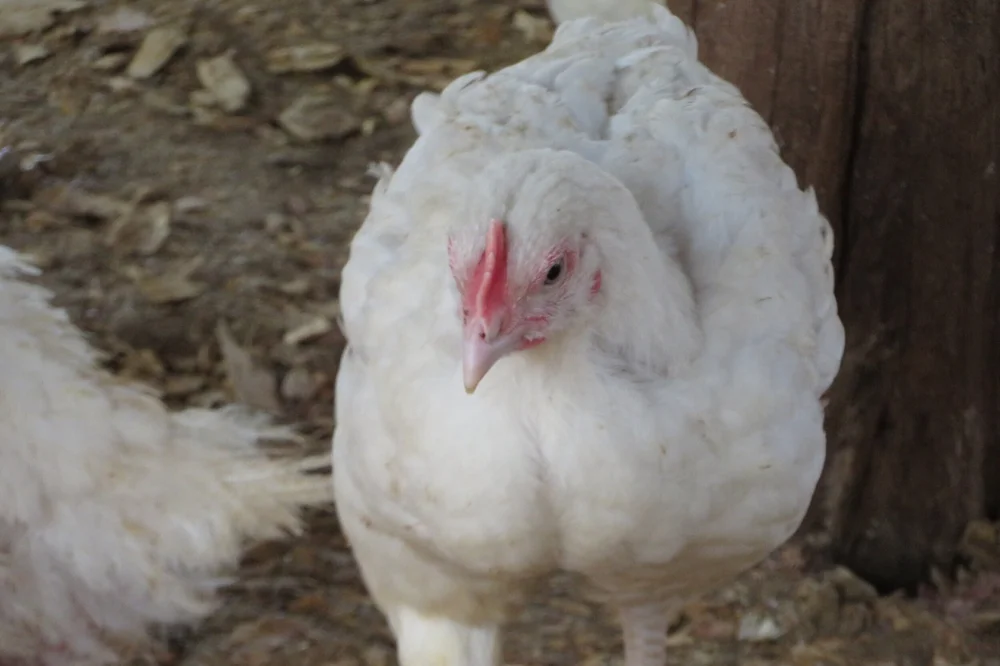
Kenya’s poultry industry has steadily evolved into one of Africa’s most vibrant and strategic agricultural subsectors, playing a vital role in food security, income generation, and employment creation. As demand for affordable animal protein continues to rise across the country, poultry farming has emerged as a preferred livestock enterprise due to its relatively low entry barriers, fast production cycles, and strong market demand. From rural households keeping indigenous chickens to large-scale commercial broiler and layer farms, the sector has become deeply embedded in Kenya’s agricultural and economic landscape.
Over the past decade, Kenya has recorded consistent growth in poultry meat and egg production. Eggs, in particular, have become a staple food for households, hotels, institutions, and food vendors, driven by their affordability and high nutritional value. Commercial layer farms supply urban and peri-urban markets, while indigenous chicken systems dominate rural areas, providing both income and household nutrition. Broiler production, though smaller in scale compared to eggs, has expanded steadily, supported by the growth of fast-food outlets, supermarkets, and changing consumer lifestyles that favour ready-to-cook and ready-to-eat poultry products.
Despite this progress, the poultry sector faces significant structural and economic challenges that continue to affect productivity and profitability. Chief among these is the high cost of animal feed, which represents the largest share of production expenses. Feed prices have been driven upward by fluctuations in maize availability, rising costs of protein ingredients such as soybean meal, and broader economic pressures. These costs have particularly affected small and medium-scale farmers, many of whom struggle to remain competitive or scale their operations under such financial strain.
The high cost of production has also translated into increased retail prices for chicken meat and eggs, occasionally limiting consumption among low-income households. Additionally, limited access to affordable credit, inconsistent supply of quality day-old chicks, and gaps in veterinary and extension services have further constrained growth. Processing and cold-chain infrastructure remain underdeveloped, forcing many producers to sell live birds rather than higher-value processed products, thereby limiting income potential across the value chain.
Nevertheless, Kenya’s poultry industry holds strong growth potential driven by favourable demographic and market conditions. Rapid urbanisation, population growth, and a growing middle class have increased demand for poultry products, especially in cities and major towns. Poultry meat is increasingly viewed as a healthier alternative to red meat, while eggs remain one of the most cost-effective sources of animal protein. These trends continue to attract investment from agribusiness firms, feed manufacturers, hatcheries, and poultry processors seeking to capitalise on expanding market opportunities.
At the grassroots level, poultry farming remains a critical livelihood activity for millions of households, particularly women and youth. Indigenous chicken production, which requires minimal capital and adapts well to local conditions, continues to support rural incomes and resilience. County-level initiatives promoting improved breeds, farmer training, and better disease control have enhanced productivity and reduced losses, strengthening confidence in poultry as a reliable enterprise.
Looking ahead, stakeholders agree that unlocking the full potential of Kenya’s poultry sector will require targeted investments and coordinated policy support. Reducing feed costs through local production of raw materials, improving access to credit, expanding processing capacity, and strengthening disease surveillance systems are essential steps. With sustained innovation, strategic partnerships, and supportive government interventions, Kenya is well positioned to deepen self-sufficiency in poultry products, reduce imports, and emerge as a stronger regional supplier. The continued transformation of the poultry industry will not only enhance food security but also contribute significantly to inclusive economic growth and rural development.
