


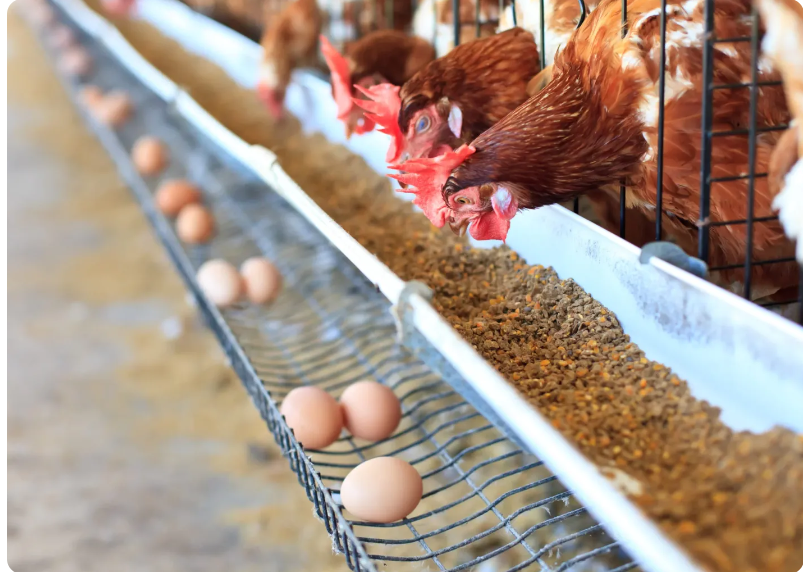
East Africa’s poultry industry is rapidly evolving, emerging as a pivotal sector for food security, rural livelihoods, and economic development. With population growth, urbanization, and changing dietary patterns, demand for poultry meat and eggs is soaring, making poultry a key source of affordable protein across the region.
In Kenya alone, poultry numbers are estimated at 50 million birds, contributing over 30% of the livestock sector’s output. Interestingly, nearly 98% of these birds are reared by smallholder farmers, predominantly indigenous free-range types. Despite this substantial presence, the sector faces systemic challenges that hinder its full potential, including escalating feed costs, limited access to improved genetics, insufficient technical knowledge, weak regulatory enforcement, and the influx of low-quality imports that threaten local competitiveness.
Recognizing these challenges, the recent B2 Africa Poultry Masterclass brought together Kenyan and Dutch experts to share experiences, innovations, and best practices. The masterclass served as a platform for knowledge exchange, emphasizing solutions in poultry breeding, feed optimization, housing, equipment, and biosecurity. By fostering dialogue between diverse stakeholders, the initiative highlighted the importance of collaboration, investment, and strategic partnerships in unlocking the industry’s growth potential. Experts stressed that technical innovation alone is insufficient; supportive policies, coordinated efforts, and investment in human and infrastructural capacity are equally critical to transforming East Africa’s poultry sector.
A major concern for poultry farmers remains the high cost and variable quality of feed, which constitutes a significant portion of production expenses. Innovations in locally sourced feed, alternative protein sources, and precision feeding techniques were highlighted as ways to reduce costs while improving flock productivity. Simultaneously, access to improved genetics was emphasized as a key driver for higher meat and egg yields, which would enable farmers to meet growing domestic demand and maintain competitiveness against imported products. Strengthening biosecurity practices was also identified as essential, with robust measures capable of preventing disease outbreaks that can devastate flocks and livelihoods.
The masterclass further underscored the central role of smallholder farmers, who form the backbone of East Africa’s poultry sector. Supporting these farmers with access to training, affordable credit, markets, and modern technology is vital for improving productivity and income.
Women, who play a prominent role in poultry farming, were identified as critical beneficiaries of empowerment programs, as enhanced control over poultry production and income can positively influence household welfare and community development. Investment in infrastructure, including better housing, modern equipment, and cold chain systems, was recognized as essential for reducing post-harvest losses, improving product quality, and meeting market demands.
The collaboration between Kenya and the Netherlands provides a compelling model for leveraging international expertise to accelerate agricultural transformation. Coordinated approaches in policy development, investment, technological innovation, and capacity building are key to unlocking the sector’s potential. With targeted support, the East African poultry industry can become more productive, resilient, and commercially viable, benefiting farmers, consumers, and national economies alike.
The future of poultry in East Africa is bright, and with innovation, collaboration, and investment, the sector is poised to become a cornerstone of food security and rural prosperity in the region.
